The Beauty of Not Knowing: Why Ambiguity Matters in Photography

Most photographs try to explain.
They tell us what happened, who was there, and why it matters. They are designed to be understood immediately.
Yet the photographs that stay with me rarely do that. They leave something unresolved.
A figure disappears into shadow. A reflection interrupts the scene. A gesture remains unfinished. The frame offers fragments rather than answers. Instead of explaining, the photograph invites us to look. And then look again.
We live in a culture obsessed with clarity. Sharpness. Resolution. Information.
Photography often follows the same path. We are taught to reveal more, simplify more, and remove uncertainty.
But our experience of life is rarely that clear.
Memory is incomplete. Emotion is difficult to describe.
The moments that shape us most often exist somewhere between understanding and feeling. A photograph that embraces ambiguity can feel closer to that truth.

When a photograph does not explain everything, the viewer becomes an active participant.
Their eyes wander. They search. They bring their own experiences into the frame. The image remains open.
No two people see exactly the same photograph. That uncertainty is not a flaw.
It is often where the photograph becomes most alive.
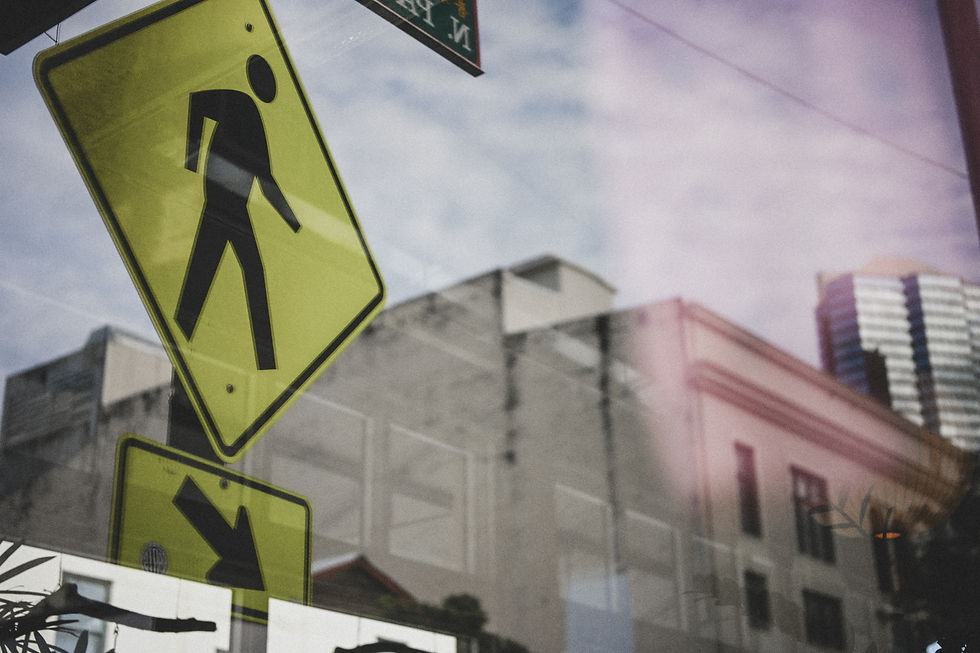
Much of my own work is built around this idea.
I am drawn to reflections, shadows, layers, partial subjects, and fleeting moments that resist easy interpretation. Not because I want to create mystery for its own sake, but because life itself often arrives in fragments.
A passing glance. Light moving across a wall. A silhouette disappearing around a corner.
Photography becomes less about documenting what something looked like and more about preserving what it felt like to encounter it.

Streets of Downtown Honolulu
Many photographers spend years searching for a style when the deeper question may be:
What are you naturally drawn to that others overlook?
The photographs we make are often reflections of how we see. Learning to see those patterns to recognize what repeatedly catches your attention is where a personal voice begins to emerge.
Not through imitation. Not through technique alone. But through observation.
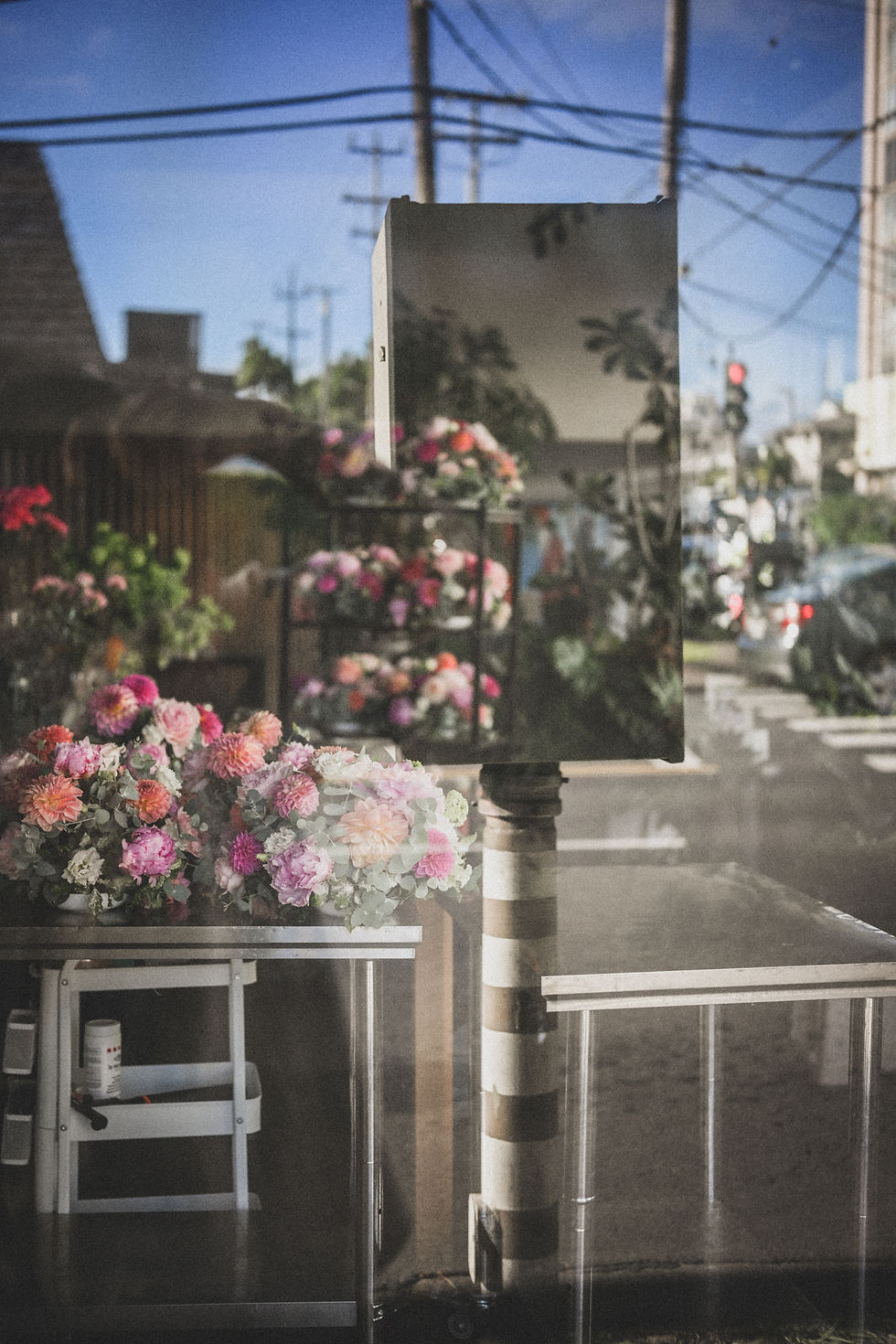
Kaimuki, Honolulu
This is something we explore often during my photo walks and private mentorship sessions.
Not how to make photographs like me.
But how to better understand your own way of seeing.
Because sometimes the most meaningful photographs are not the ones that provide answers. They are the ones that leave us curious enough to keep looking.
About the Author:
Jun Tagai is a Honolulu-based documentary and fine art photographer whose work explores impermanence, space, and emotional presence. Through fine art prints, private mentorships, and photo workshops, he teaches photographers how to develop a deeper way of seeing.
👉 Explore Private Mentorships @ https://www.juntagai.com/privatesession
👉 Explore Themed Group Photo Walk @ https://www.juntagai.com/groupphotowalk


Comments